 Bridle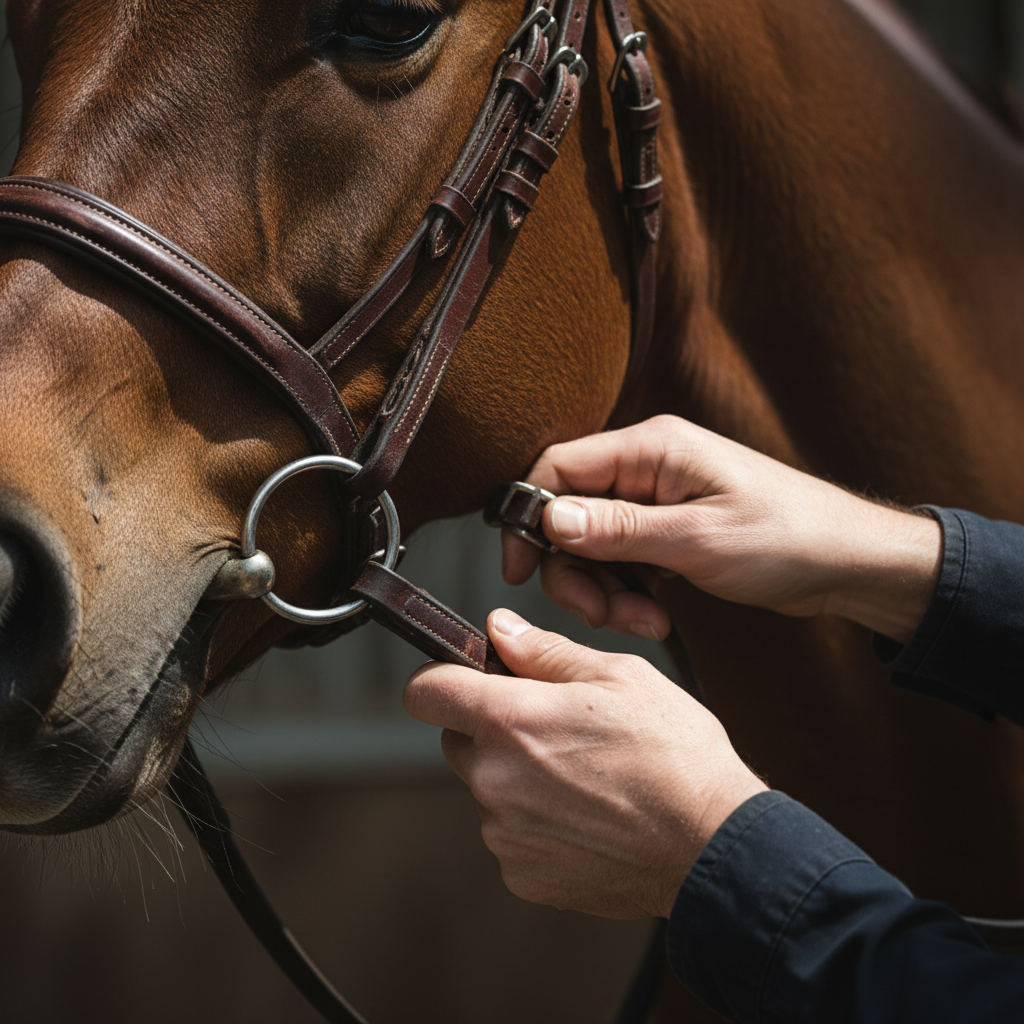
Wade Calloway
"A colt doesn't need to be broken. He needs to be understood."
Scroll to read
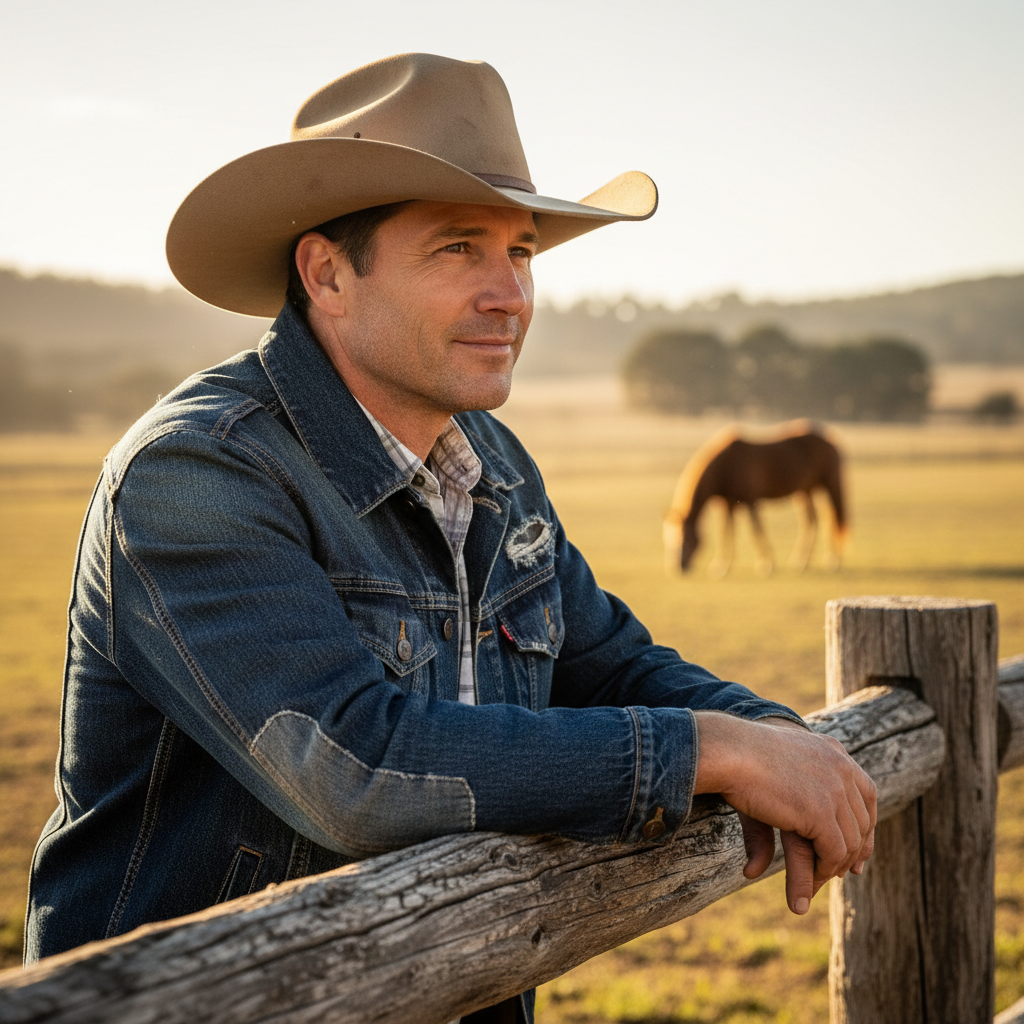
Wade Calloway
Wade Calloway
Head Trainer & Founder
"A horse that trusts you will walk into fire. One that fears you will fall apart at a plastic bag."
Wade grew up in the back pastures of central Arizona, the youngest of four and the only one who kept coming back to the barn after the others found easier things to do. His father started colts the old way — patience measured in weeks, not sessions — and that unhurried rhythm stuck.
He spent six years riding for two of the larger outfits in the Verde Valley before hanging his own shingle in 2009. The reputation came slowly and stayed for the right reasons: horses that went home quieter than they arrived, owners who could actually ride them.
Wade's method doesn't have a brand name. He reads each horse fresh — watching how it moves in a pen before a halter is ever touched, learning its thresholds before asking it to cross them. The work looks unremarkable from the rail. That's the point.
Wade accepts a limited number of starts each season — typically 8 to 10 colts — to ensure every horse receives the time it needs.
Starting Young Horses
How long does it take to start a colt?
Sixty days is the honest minimum for a horse that will be safe and useful. That means five to six rides a week, each one building on the last. Anyone quoting you thirty days is either very good or cutting corners — and thirty-day horses usually come back in ninety. We run ninety-day programs as our standard because the extra month is where a colt stops tolerating the work and starts enjoying it.
What age should a colt be before he's started under saddle?
We won't start a horse before twenty-four months and prefer to wait until they're closer to thirty. Bone plates in the spine don't close until around two and a half years old in most breeds. Starting too early doesn't make a horse more athletic — it makes him more likely to break down at six. A well-built three-year-old will outwork a rushed two-year-old inside of a season.
My horse was "started" by someone else but won't load, won't tie, and spooks at everything. Can he be fixed?
Yes — but manage your expectations on timeline. What you're describing isn't a training problem, it's a foundation problem. We go back to the beginning: groundwork, pressure and release, sacking out, the whole sequence. It takes longer than starting fresh because we're also overwriting bad associations the horse has already formed. Most horses like this take four to six months to be genuinely reliable.
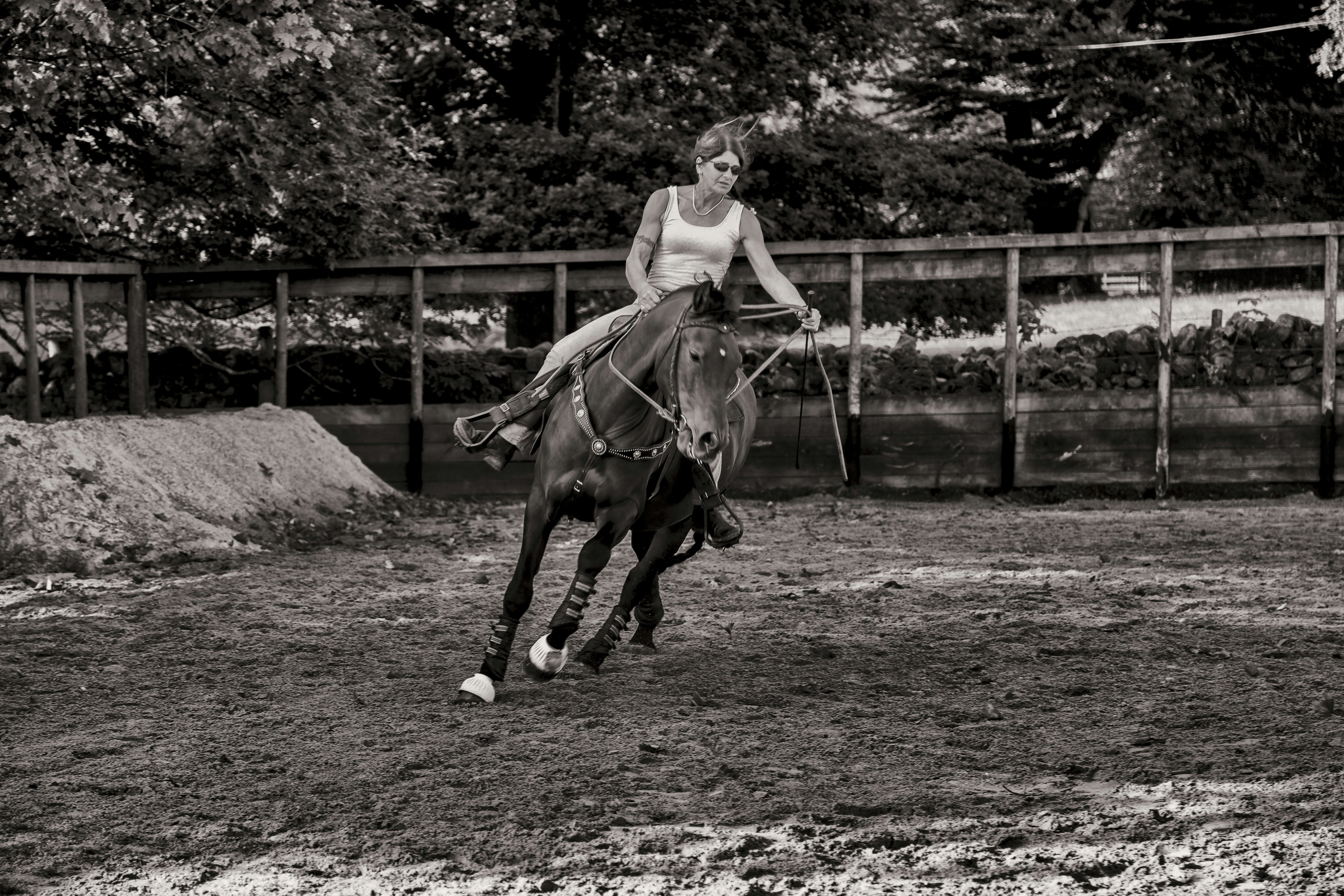
Della Raines
Della Raines
Horsemanship Coach & Youth Lead
"Most riding problems I see aren't horse problems. They're a gap between what the rider's body is saying and what their mind thinks it's saying."
Della came to horses through 4-H and stayed through a decade of regional open shows, a two-year stint coaching at a university equestrian program, and a shoulder surgery that gave her four months to read everything she'd been too busy to sit still for.
She joined Bridle in 2017 to run the owner-education side — the lessons, the ground clinics, the phone calls that start with "my horse did something weird and I don't know what I did." She is precise without being cold, and she has a particular gift for translating what she sees in a rider's position into something that makes immediate physical sense.
Her youth students have taken year-end championships at three consecutive Arizona state shows. She is more proud of the ones who learned to catch their own horse reliably.
Della's ground clinics run the first Saturday of each month. Riders of any level are welcome; horses are optional for the first session.
Working with Amateur Riders
I've been riding for years but I'm stuck at the same level. What's usually the problem?
Almost always it's something in the seat — a brace in the hip, a collapsed shoulder, a hand that's compensating for a leg that isn't doing its job. You've ridden long enough that these habits are invisible to you. A good eye on the ground for two sessions will find them. The fix is rarely complicated, but it has to be felt, not just understood. That's why video review alone doesn't solve it.
How do I know if the issue is me or my horse?
Ride a known horse. If the problem disappears, it's you. If it follows you, it's still you — but now you know what you're working with. We do a lot of this in lessons: putting a rider on a schoolmaster for one session clarifies more than three months of trying to diagnose horse and rider simultaneously. It's not a judgment. Every rider has blind spots.
Is it worth showing at the regional level, or should I just ride for myself?
Showing is a tool, not a goal. It puts a deadline on your preparation and puts you in front of a judge who doesn't know you — both of which are useful. If you're using it to measure growth, it's worth it. If you're using it to feel validated, it'll make you miserable. The best amateur riders we know show occasionally and ride every single day.
Read the Full
Training Guide
Seventeen years of answers — from picking a saddle that fits to reading a horse's ear set at a lope — gathered in one place so you don't have to piece it together from a comment section.
Read the Full Training GuideNo sign-up required · Free resource